

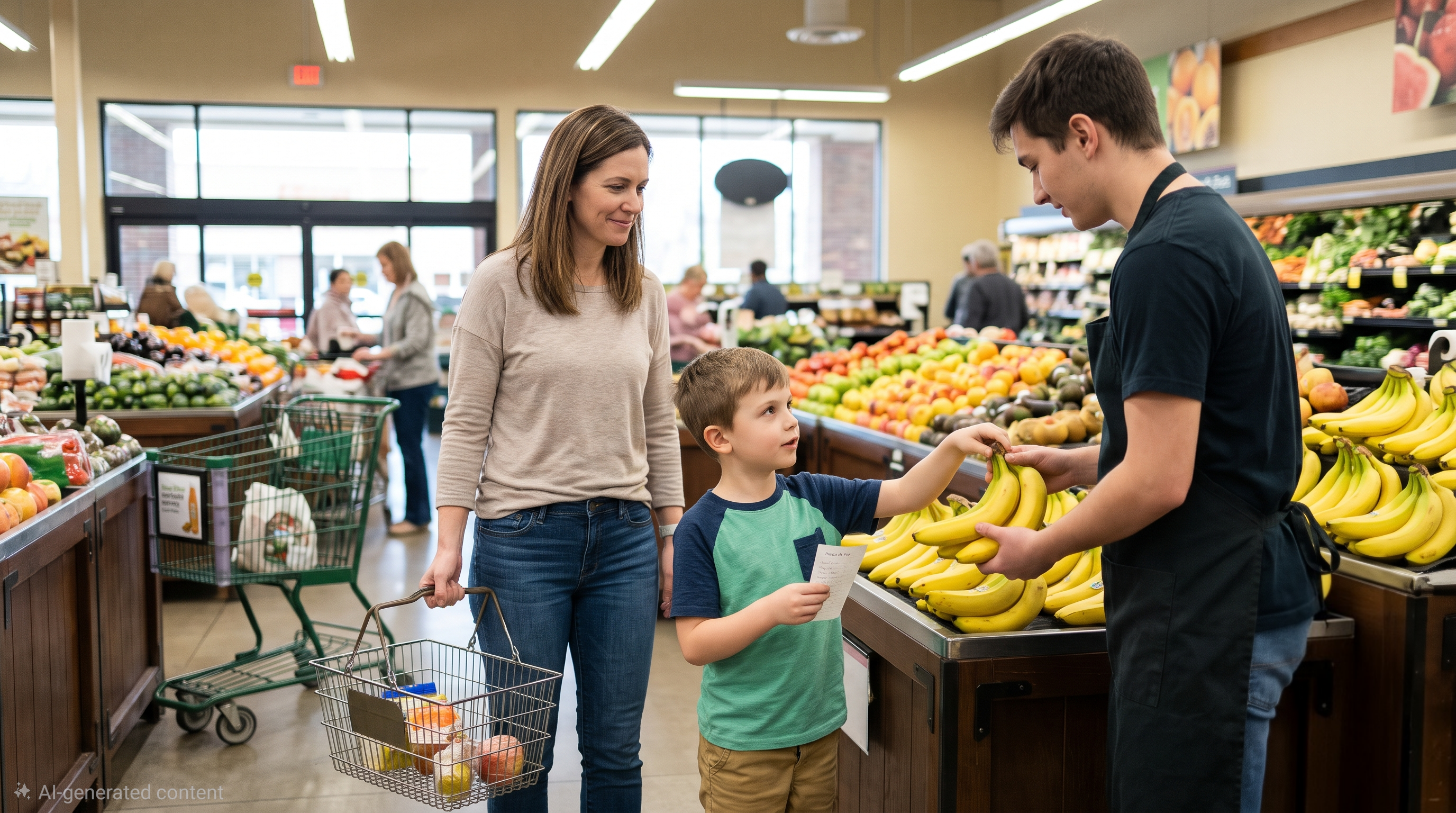
A parent might spend weeks watching their child learn and practice new skills during ABA therapy. They learn to ask for help, follow instructions, or complete some tasks on their own.
Then, at home, the same child seems unsure what to do.
It can be frustrating for a parent to see such behavior. Learning a skill in therapy doesn’t mean the child will be able to use it in situations outside.
Generalization in ABA describes how children use skills they have learned during therapy in different situations, with different people, and beyond the setting where they first practiced them.
A skill becomes much more useful when a child can bring it into everyday life.
What Does Generalization Mean in ABA Therapy?
Applied Behavior Analysis teaches skills to children through planned learning opportunities. Here the teaching may focus on communication, daily routines, play, social interaction, or other practical abilities.
In ABA, generalization means that a learned skill is used in situations or scenarios that differ from those in which it was originally taught.
For example, a child learns to put their shoes away after an activity at the therapy center. At first, the therapist may give a reminder each time.
Later the child starts putting away shoes at home also without any reminder. The surroundings and routine have changed, but the skill is still being used.
That is ABA skill generalization.
Different Types of Generalization in ABA
Stimulus generalization
Stimulus generalization occurs when a child learns to use a response in the presence of cues or examples.
For example, a child who learns to wash their hands in one bathroom may gradually learn to do the same in a school bathroom.
The aim is for the child to recognize that the skill applies in different situations.
Response generalization
Response generalization happens when a child uses different responses that serve a similar purpose.
For instance, a child learning to request a drink might say, “Water, please,” or use another phrase. They may also communicate through an assistive communication system. The form of the response can differ while the underlying need remains the same.
Here communication goals take those differences into account rather than requiring one exact phrase in every situation.
Maintenance
Maintenance refers to a skill that continues after intensive teaching is over.
A child may learn to put on their shoes independently and still manage the task several weeks later. That suggests the skill is being maintained.
What Does Generalization Look Like at Home?
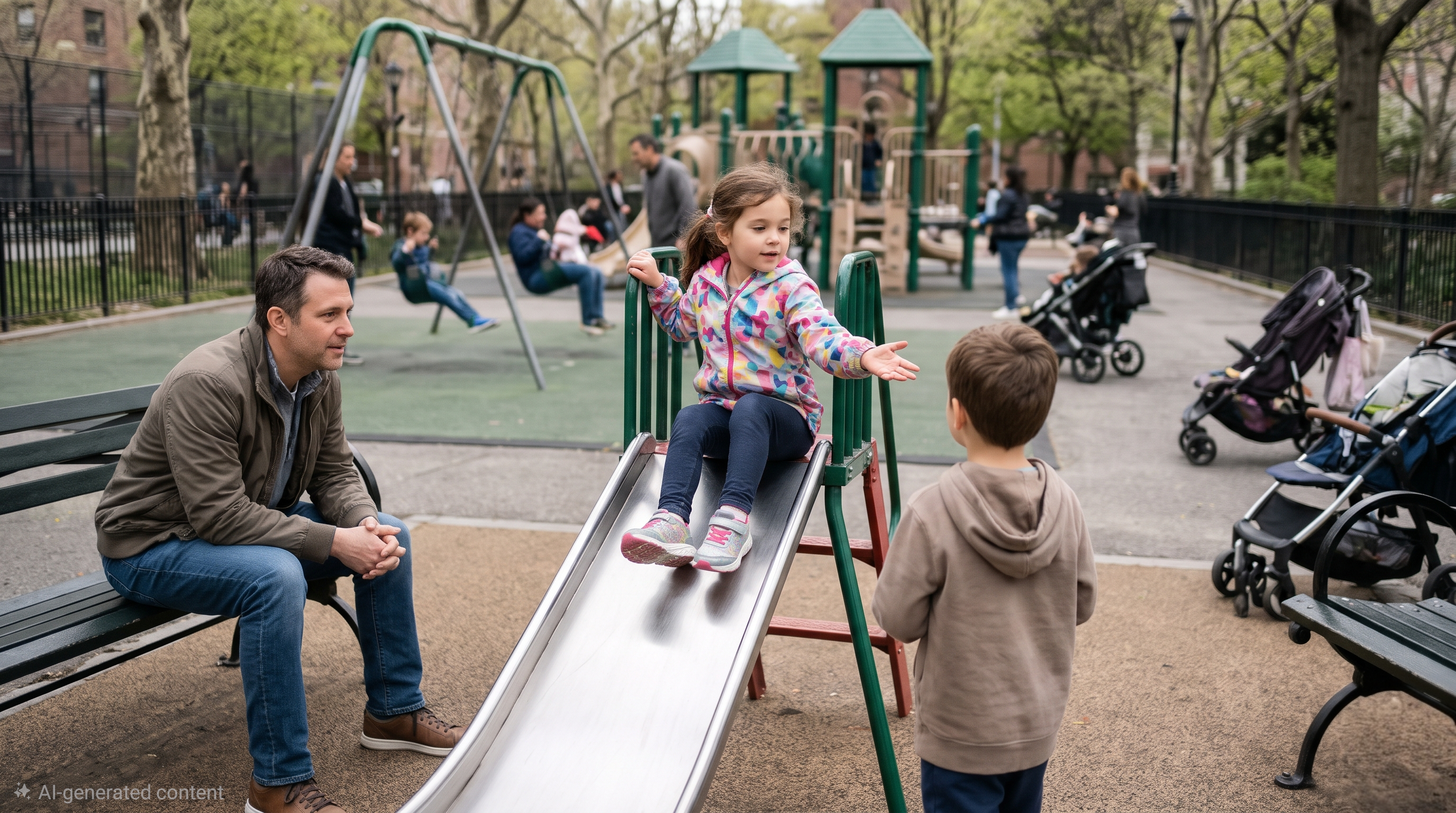
Parents often notice generalization during ordinary activities rather than during a formal teaching exercise.
Consider a child who has been learning to ask for help. At first, the request happens only when the therapist asks a question or provides a reminder. A few weeks later, the child asks for help opening a lunchbox. That small moment shows the skill being used for a real purpose.
Other examples include:
- Getting ready for school: A child who has practiced putting their belongings away begins placing their school bag in its usual spot after coming home.
- Playing with family: A child learns to take turns with a therapist and later begins taking turns while playing a board game with a sibling.
- Recognizing objects: A child learns to identify familiar objects using pictures and then recognizes them in books, shops, or around the house.
- Communicating discomfort: A child learns an appropriate way to ask for a break and begins using it during another activity when they need some time away.
- Following daily routines: A child practices completing certain steps before a meal and gradually begins to follow those steps in the family’s usual routine.
Why Do Children Sometimes Struggle to Use Skills Outside Therapy?
During ABA sessions, a child may become familiar with a therapist’s instructions, a particular set of toys, or the order in which an activity happens. At home, the wording, materials, and expectations may be different.
There may be other factors, too. A busy classroom can be harder to manage than a quiet therapy room. A child may be tired, distracted, or unsure what another person expects. Some skills also require several steps, and a change in one part of the routine can affect the rest.
This is why a skill that appears reliable during therapy may need additional practice elsewhere. It is not the evidence that the teaching has failed.
Instead, it gives the therapist and family useful information about what the child can do independently and where further support might help.
How Therapists Support Generalization
Generalization is usually more effective when it is considered as part of the teaching plan, rather than left until the end. The strategies used depend on the child, the skill, and the situations in which it needs to be used.
Practicing in natural settings
Natural Environment Teaching (NET) creates opportunities to teach skills during activities that are meaningful to the child.
For example, a therapist working on communication might practice requesting during snack time or play. A child learning to take turns could practice during a game. The skill is taught in a context where it has a clear purpose.
Such activities can help bridge the gap between structured learning and everyday use.
Changing the examples and surroundings
A therapist may introduce different materials, people, and instructions as the child becomes comfortable with a skill.
A child learning colors, for instance, can practice with different objects rather than relying on the same set of cards. A child learning to request help may have opportunities to communicate with familiar caregivers as well as the therapist.
These changes help the child learn what matters about the skill, even when other details are different. They should be introduced at a pace the child can manage.
How Parents Can Help With Generalization at Home
You do not need to turn family life into a therapy session. Often, familiar routines offer enough opportunities for a child to use what they are learning.
If your child is working on requesting help, allow a little time for them to communicate when a suitable opportunity arises. If they are learning to dress independently, let them complete the steps they can manage rather than automatically doing everything for them.
Pay attention to where a skill appears. Perhaps your child follows a routine in the morning but not in the evening. Maybe they communicate easily during play but find it harder to do so when several people are talking.
These observations can be more useful than trying to practice every skill repeatedly. Share them with the therapist, who can help decide whether the teaching approach needs to change.
It is also reasonable to ask for specific guidance. If you are unsure how much assistance to give, ask the therapist to show you what the skill should look like at home.
Above all, allow room for ordinary family life. Children need time to rest, play, and enjoy activities without feeling that every moment is a test. Practice should fit naturally into routines wherever possible.
How Can You Tell If a Skill Has Generalized?
One successful attempt in a new setting is encouraging, but it may not provide a complete picture. It helps to notice whether the child uses the skill repeatedly and under different relevant conditions.
You might consider whether your child:
- Uses the skill with more than one familiar person
- Can manage it with different materials or slightly different instructions
- Uses it in the settings where it is needed
- Requires fewer prompts than before
- Continues using the skill after intensive teaching has reduced
How Willow Reach Can Help?
At Willow Reach, families can work with professionals to keep learning goals connected to the child’s everyday needs. Parents can share with the therapist what they observe at home, while therapists can suggest practical ways to support the skills.
Generalization often takes time and needs parent and therapist involvement. The goal is to implement strategies that support communication, participation, and also independence.
Frequently Asked Questions
1. What is generalization in ABA in simple terms?
Answer: Generalization means using acquired skills during ABA in real life situations that are different from the scenarios where those skills were originally taught.
2. How is generalization different from skill acquisition?
Answer: Skill acquisition means a child is learning a new skill, but generalization means using it with different people and in different unfamiliar settings.
A child often needs practice to generalize the skills.
3. How long does ABA skill generalization take?
Answer: It is difficult to define a generalization timeline. One child may learn to generalize early while other may still struggle and might need more help.
4. Can parents support autism skill generalization?
Answer: Yes, the parents’ role is crucial, as they can provide opportunities to use learned skills, follow the therapist’s recommendations, and share observations about what happens at home. The approach should fit the child’s individual goals.
5. What if my child can perform a skill in therapy but not at home?
Answer: Tell the therapist what you have observed. Your child may need opportunities to practice with different people, in another environment, or with a different level of support. This information can help guide the next stage of teaching.